

Registering a car in California is a critical process ensuring your vehicle’s legal status and your safety on the road. However, navigating the procedures can be cumbersome, particularly with stringent requirements like DMV VIN verification. This comprehensive guide arms you with the knowledge to smoothly navigate this process. We demystify each step, from gathering essential documents to completing the online or in-person registration, ensuring a stress-free experience. Trust our expert advice to ensure your car is legally registered and your driving experience is seamless.
- Prepare Required Documents for Car Registration
- Visit California DMV: Step-by-Step Guide
- Understand Fees & Payment Options for Car Registration
- Conduct DVL (DMV) VIN Verification Process Accurately
- Maintain Your Vehicle's Registration and Documentation
Prepare Required Documents for Car Registration

Registering a car in California involves a meticulous process, and preparing the right documents is a critical step. Among the required paperwork, the Vehicle Identification Number (VIN) verification stands out as a crucial element. This process ensures the authenticity and legality of your vehicle, a critical aspect in the state’s stringent regulations. The California Department of Motor Vehicles (DMV) mandates a VIN inspection to validate the vehicle’s history, including any prior accidents, recalls, or outstanding issues. This verification is often carried out through a mobile VIN inspection service, which provides a convenient and efficient way to meet DMV requirements.
For instance, when importing a car into California, a mobile VIN verifier can play a pivotal role. These services send a specialist to your location to perform a thorough VIN inspection. They utilize specialized equipment to cross-reference the VIN against numerous databases, offering a comprehensive report on the vehicle’s history. This is particularly beneficial for out-of-state residents or those dealing with classic cars, ensuring the vehicle’s eligibility for registration without the hassle of visiting a DMV office. By employing a mobile VIN inspection, you streamline the registration process, saving time and effort.
Not only does this method enhance convenience, but it also guarantees accuracy. DMV vin verification is a stringent process, and mobile verifiers adhere to these standards, ensuring your car’s registration is a smooth and successful procedure. Always ensure that the service provider is reputable and authorized to conduct such inspections to avoid any complications.
Visit California DMV: Step-by-Step Guide

To register your car in California, you’ll need to visit a California DMV (Department of Motor Vehicles) office. Here’s a step-by-step guide for a smooth process. Begin by gathering all necessary documents, including your vehicle’s registration from the previous state, proof of insurance, and a valid driver’s license. Next, proceed to the DMV with these documents to initiate the registration process. One crucial aspect is ensuring your car passes a thorough VIN (Vehicle Identification Number) verification. This involves a detailed inspection to confirm the vehicle’s identity and history, which can be done at the DMV or through a mobile vin verification service for added convenience.
Upon arrival at the DMV, locate the designated window for registration services. An agent will assist you in filling out the necessary forms, detailing your vehicle information and personal details. If any issues are identified during this stage, such as discrepancies in ownership records or outstanding safety inspections, address them promptly to avoid delays. The agent may also guide you through optional add-ons like extended warranties or roadside assistance.
After completing the paperwork, expect to pay several fees, including a registration fee, vehicle tax, and possibly a title transfer fee if applicable. Once all payments are processed, the DMV will issue your new California car registration and update your vehicle’s records. If you’re switching from out-of-state plates, they may also assist with the plate exchange process. A key step in this journey is scheduling a vin inspection, either at the DMV or through a mobile vin inspection service, to guarantee that your vehicle meets all legal standards.
For a seamless experience, consider making an appointment ahead of time, especially for more complex transactions. If challenges arise, don’t hesitate to seek assistance from knowledgeable staff. The California DMV is equipped to handle various scenarios and can provide tailored guidance based on your unique situation. Always verify that your vehicle passes the required vin inspection before finalizing registration to avoid potential delays or issues down the road.
Understand Fees & Payment Options for Car Registration
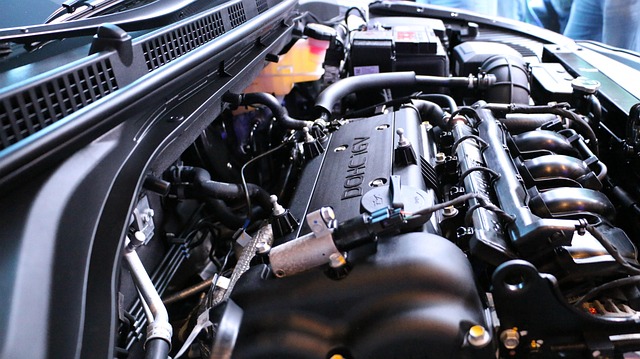
Registering a car in California involves several steps, with understanding fees and payment options being a crucial one. The California Department of Motor Vehicles (DMV) charges specific fees for vehicle registration, which vary based on factors such as the type of vehicle and its age. For example, fees can range from around $50 for a two-wheeled motorcycle to over $200 for luxury vehicles or those with higher emissions. Additionally, there are optional services that can be selected during registration, such as extended warranties or road side assistance, which incur extra charges.
One critical component of the registration process is the DMV VIN verification, ensuring the vehicle’s identification number (VIN) is legitimate and matches the vehicle’s characteristics. This step can be completed at a local DMV office or through a mobile VIN inspection service. Mobile VIN verifiers offer convenience by allowing you to get your VIN checked while you’re on the go, which is particularly useful for busy individuals or those in remote areas without easy access to a DMV branch. These services use advanced technology to cross-reference the VIN with state records, ensuring its authenticity and providing peace of mind.
Payment options for car registration in California include both online and in-person methods. The DMV accepts major credit cards and debit cards for most transactions, while some services like mobile VIN inspection might require additional payment options such as cash or PayPal. It’s essential to verify the accepted forms of payment before heading to the registration process, ensuring a smooth experience. To streamline the registration, many individuals opt for online registration through the DMV’s official website, which not only saves time but also reduces potential errors compared to paper-based applications.
Conduct DVL (DMV) VIN Verification Process Accurately

Registering a car in California involves several crucial steps, one of which is the accurate conduct of a DMV VIN verification process. This step ensures that the vehicle’s identification number (VIN) matches the vehicle itself, providing a critical layer of security and preventing fraud. A mobile vin verifier or even a simple vin inspection can help streamline this process, making it more efficient for both you and the California Department of Motor Vehicles (DMV).
To begin, gather all necessary documents, including the title, registration, proof of insurance, and your driver’s license. Next, locate the VIN on the vehicle—it’s typically found on the dashboard near the driver’s side door or on the engine block. Accurately recording this number is paramount before initiating any DMV vin verification process. Many mobile vin inspection tools are now available that can quickly cross-reference the provided VIN with national databases to verify its authenticity and history.
Once you’ve confirmed the VIN’s accuracy, proceed with the actual verification at a California DMV office or through their online services. The DMV will use your submitted VIN to check for any outstanding issues, accidents, or liens associated with the vehicle. This step is vital to ensure that you’re legally entitled to register and operate the car. For instance, data from the DMV shows that proper VIN inspection can help prevent the registration of stolen vehicles, which accounts for a significant portion of reported auto fraud in California each year.
If discrepancies are found during the dmv vin verification process, address them promptly. This might involve rectifying title issues, paying off loans, or resolving any other legal hurdles. Using a mobile vin verifier can help facilitate this process by quickly identifying and communicating potential problems. Ultimately, accurate and timely DMV VIN verification is not just a regulatory requirement but also a responsible step to ensure you’re purchasing or registering a safe and legitimate vehicle.
Maintain Your Vehicle's Registration and Documentation

Maintaining accurate and up-to-date registration documentation for your vehicle is a crucial aspect of car ownership in California. It’s more than just a legal requirement; it ensures you have access to important information that can be life-saving in an emergency, like a collision or theft. Your Vehicle Identification Number (VIN) plays a central role in this process, serving as a unique fingerprint for your car. The California Department of Motor Vehicles (DMV) relies on VIN verification to ensure the authenticity and history of vehicles registered within its jurisdiction. This involves cross-referencing the VIN with national databases to check for any reported accidents, outstanding liens, or other issues that could impact ownership.
One efficient way to facilitate this process is through mobile VIN verification services. These innovative tools allow you to perform a VIN inspection right from your smartphone or tablet, providing real-time data access. A simple scan of your vehicle’s VIN code using a mobile vin verifier app can reveal detailed information about its history and condition. For instance, you might discover a prior accident not reflected in the initial DMV report, prompting further investigation. This proactive approach not only ensures compliance but also helps you make informed decisions about maintenance and potential repairs. Many mobile apps offer straightforward interfaces, guiding users through the steps of entering their VIN and interpreting the results.
Regularly updating your vehicle’s registration details, including addressing changes or selling the car, is essential to avoid penalties and maintain a clean driving record. The DMV offers various methods for vin verification during these transactions, ensuring accuracy and security. By staying on top of these tasks, California drivers can protect their investments, safeguard their personal information, and contribute to a safer, more transparent automotive ecosystem.
By meticulously preparing required documents, visiting a California DMV with a clear understanding of the process, navigating fee structures, and accurately completing the DMV VIN verification process, you can efficiently register your car in California. Maintaining up-to-date documentation ensures compliance and smooth future interactions with the DMV. This article has provided essential insights into each step, empowering readers to confidently navigate the registration process and ensuring their vehicles are legally registered and ready for California’s roads.