

Registering a car in California is a necessary step for all vehicle owners, ensuring legal compliance and access to public roads. However, navigating the process can be daunting, given the intricate procedures and documentation requirements. This comprehensive guide aims to demystify the registration journey, offering step-by-step instructions tailored to California’s unique regulations. We’ll delve into every aspect, from gathering essential documents to understanding fees, ensuring a smooth and efficient experience. Moreover, we’ll emphasize the critical role of DMV VIN verification in this process, highlighting its significance for accurate and legitimate vehicle registration.
- Prepare Necessary Documents for Car Registration
- Gather Vehicle Information and Proof of Insurance
- Visit a California DMV Location for VIN Verification
- Complete the Registration Application Process Online or In-Person
- Pay Registration Fees and Receive Your Vehicle Title
Prepare Necessary Documents for Car Registration

Before you begin the car registration process in California, it’s crucial to prepare all the necessary documents, ensuring a smooth experience. Central to this preparation is accurate and up-to-date information regarding your vehicle, beginning with the Vehicle Identification Number (VIN). The California Department of Motor Vehicles (DMV) requires VIN verification as part of their inspection process, so it’s important to have this detail readily available. One convenient way to facilitate this step is through a mobile VIN inspection service that provides immediate results. These services allow you to check your vehicle’s history and identify potential issues before registration, saving time and effort in the long run.
Gathering the required documents is a meticulous process but essential for compliance with California’s regulations. Along with the VIN, you’ll need proof of ownership, typically through a title document. If you’re financing your vehicle, you might require a lienholder notification from your lender. Additionally, have your driver’s license and insurance card on hand as these are mandatory for registration. It’s also wise to double-check if any previous registration or inspection stickers need to be removed, as adhering to these guidelines ensures a legitimate and successful registration.
The DMV offers both in-person and online registration options. For the former, ensure you visit a designated office with all your prepared documents. Alternatively, you can utilize the agency’s website for an online application, which streamlines the process but may require additional verifications through email or phone. Regardless of your chosen method, having accurate VIN inspection results will significantly aid in expediting the registration process, especially when dealing with California’s stringent automotive regulations.
Gather Vehicle Information and Proof of Insurance

Before registering your car in California, you’ll need to gather essential information about your vehicle, including its unique Vehicle Identification Number (VIN). This process is crucial for accurate DMV VIN verification, a critical step in the registration procedure. Start by locating the VIN on the vehicle’s chassis or on documents like the title or insurance paperwork. It consists of 17 characters and appears as a long string of numbers and letters.
Proof of insurance is another vital component. In California, you must have valid auto insurance covering liability, collision, and comprehensive risks. Obtain your insurance policy details and keep them handy during the registration process. Some providers offer mobile vin inspection or mobile vin verifier services, allowing you to securely transmit your VIN data digitally for quick verification. These modern solutions streamline the traditional paperwork process, making it more efficient.
Additionally, ensure that all information on your vehicle’s registration application aligns with the details from the DMV and your insurance company. Inaccurate or missing data can delay registration. For instance, if you’re transferring a title, verify that the VIN on the new title matches the one in the California DMV system to avoid discrepancies. By proactively gathering this information and leveraging modern tools like mobile vin verification, you’ll make the registration process smoother and less time-consuming.
Visit a California DMV Location for VIN Verification

To register your car in California, you’ll need to visit a California DMV location for VIN verification. This crucial step ensures that your vehicle meets all safety and emission standards before it can be legally operated within the state. During this process, the DMV will inspect your car’s Vehicle Identification Number (VIN), which is unique to every vehicle and provides critical information about its make, model, year, and specification. This inspection is designed to verify that your car aligns with California’s stringent regulations, ensuring both safety and environmental protection.
While many people associate visiting the DMV with lengthy waiting times and bureaucratic hurdles, the VIN verification process can be streamlined through various means. For instance, some locations offer appointments for VIN inspections, reducing wait times significantly. Additionally, mobile VIN verification services are now available in select areas, allowing you to conduct the inspection from the comfort of your home or office. These services employ trained professionals who use specialized equipment to perform a thorough VIN inspection, just as a DMV employee would, ensuring accuracy and convenience.
Once your vehicle passes the VIN verification, you’ll be one step closer to completing your car’s registration. It’s important to approach this process methodically, gathering all necessary documents, including proof of insurance, proof of ownership, and any required emissions test results. Remember that specific requirements can vary based on your vehicle’s age and type, so it’s advisable to check the California DMV website for up-to-date information or consult with a mobile VIN verifier if you have any doubts. By preparing in advance and utilizing available resources like mobile VIN verification services, you can make the registration process smoother and less stressful.
Complete the Registration Application Process Online or In-Person
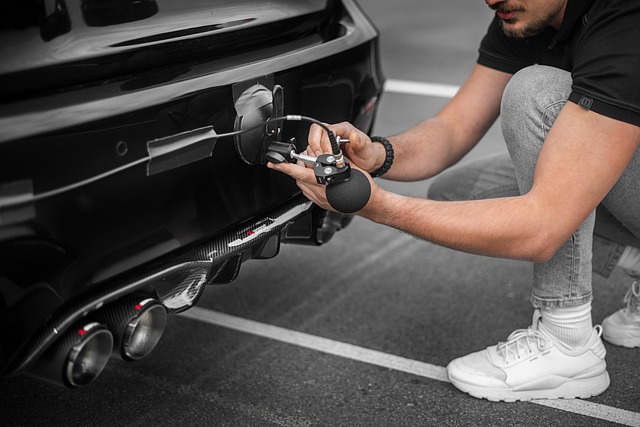
Registering a car in California involves several steps, and one crucial aspect is completing the registration application process. You have two options: go online or visit a DMV (Department of Motor Vehicles) office in person. Both methods require accurate information and specific documents, ensuring your vehicle meets all legal standards.
For an efficient and convenient approach, many Californians opt to utilize the DMV’s online services. This method involves completing the registration application digitally. You’ll need access to your vehicle’s unique identifier, the Vehicle Identification Number (VIN), which can be found on the car’s registration label or driver-side door jamb. A key step in this process is the DMV VIN verification, ensuring your vehicle’s history aligns with the provided information. This validation helps prevent fraud and ensures compliance. Online applications require you to input personal details, vehicle specifications, and possibly schedule a future inspection for emissions and safety features, sometimes facilitated through mobile vin inspection services. These inspections can be done at authorized stations or even at your location, making it a flexible option for busy individuals.
Alternatively, visiting a DMV office allows for direct interaction with staff who can guide you through the process. In-person registration requires gathering necessary documents, including proof of insurance and ownership, before arriving at the DMV. Staff will conduct a vin inspection to verify the vehicle’s details during your visit. This method is ideal for those seeking immediate assistance or requiring help with complex matters. Understanding these options empowers California residents to choose the most suitable approach for their needs when registering their vehicles.
Pay Registration Fees and Receive Your Vehicle Title

Paying registration fees is a crucial step in the car registration process in California. After successfully passing your vehicle’s inspection, which includes a DMV VIN verification to ensure the vehicle meets safety and emissions standards, you’ll need to pay the required fees at the California Department of Motor Vehicles (DMV) or through their online portal. The fees vary based on several factors including the type of vehicle, its age, and whether it’s new or used. It’s important to have all necessary documents, such as proof of insurance and identification, readily available to streamline the process.
Once the registration fees are paid, you’ll receive your Vehicle Title, which officially registers your car in California. This title serves as proof of ownership and is essential for future transactions related to your vehicle. In certain situations, a mobile VIN verifier can facilitate this process by allowing you to conduct a remote, accurate VIN inspection, ensuring compliance with the state’s standards before finalizing the registration at the DMV or online. For instance, if you’re purchasing a used car from an individual, having a mobile vin verification service inspect the vehicle’s VIN can save time and effort compared to visiting a traditional DMV location for an in-person inspection 1-3 times, depending on the circumstances.
Before finalizing registration, double-check all details on your title are accurate. Any discrepancies should be addressed immediately through the appropriate channels. Properly completing this step ensures legal ownership of your vehicle and allows you to legally operate it on California’s roads. Remember that maintaining up-to-date registration is not just a legal requirement but also ensures access to essential services like roadside assistance, insurance claims, and vehicle history reports.
Registering a car in California involves several essential steps, from preparing necessary documents to completing the registration application process. Key takeaways include gathering vehicle information, proof of insurance, and undergoing DMV VIN verification. Successfully navigating these steps ensures compliance with state regulations and allows you to legally operate your vehicle. Whether registering online or in-person, understanding the requirements and adhering to them precisely is crucial for a smooth process. By following these guidelines, you can efficiently secure your vehicle’s registration and enjoy the road ahead.