

Registering a car in California is a vital step for any new owner, ensuring legal compliance and protecting your investment. However, navigating the process can be daunting, with numerous steps and potential pitfalls. This comprehensive guide aims to demystify the registration procedure, offering expert insights on every stage. From gathering essential documents to understanding fees and requirements, we’ll walk you through each crucial aspect. We’ll also emphasize the importance of VIN verification for accurate and legitimate transactions, ensuring a seamless experience throughout.
- Gather Necessary Documents for Car Registration
- Perform VIN Verification: A Crucial Step in California
- Visit Your Local DMV Office or Use Online Services
- Complete the Registration Application Form Accurately
- Pay Registration Fees and Receive Your Vehicle Title
Gather Necessary Documents for Car Registration

Before you begin the registration process for your vehicle in California, ensure you have all the required documents ready. This step is crucial to streamline the administrative procedures and avoid any potential delays. Gather essential paperwork such as the vehicle’s certificate of title (or proof of ownership), a valid driver’s license or identification card, and proof of insurance. Additionally, you’ll need to conduct a Vehicle Identification Number (VIN) inspection and verification, which plays a pivotal role in ensuring the accuracy of your car’s registration.
A VIN is a unique 17-character identifier assigned to every vehicle. In California, it’s mandatory to have a mobile VIN verifier or scanner to cross-check this number with state records during the registration process. This digital verification helps maintain data integrity and minimizes fraud. For instance, many car dealerships and licensed inspectors in California offer on-site VIN inspections using sophisticated mobile verifiers that connect directly to the Department of Motor Vehicles (DMV) database. These tools ensure that your vehicle’s VIN is genuine and matches the information on file.
Practical advice includes saving time by arranging for a VIN inspection during your registration visit or, if possible, ahead of time. Some insurance companies and auto repair shops offer this service as part of their routine vehicle checks. It’s also beneficial to have accurate records of any modifications made to your car, as these may impact the registration process. By preparing all necessary documents, including proof of VIN inspection, you’ll contribute to a smooth car registration experience in California.
Perform VIN Verification: A Crucial Step in California

Registering a car in California involves several critical steps, and one that cannot be overlooked is the Vehicle Identification Number (VIN) verification process. This step serves as a cornerstone in ensuring the authenticity and legality of your vehicle’s registration. VIN verification is a meticulous process that involves a detailed inspection of the vehicle’s unique identification number, which is crucial for several reasons. For instance, in California, the Department of Motor Vehicles (DMV) relies on accurate VIN data to maintain comprehensive records, issue titles, and facilitate the registration process.
Performing a VIN inspection, especially through mobile vin verification services, is a convenient and efficient way to ensure your vehicle’s details are accurate. These services send a specialist to your location, be it your home or workplace, to conduct a thorough examination of the VIN. They use specialized equipment and databases to cross-reference the number, verifying its authenticity and checking for any discrepancies or potential theft. This is particularly important given that California has one of the highest rates of vehicle theft in the nation, according to recent statistics. A mobile vin inspection can help mitigate the risks associated with purchasing a stolen vehicle, which can have severe legal implications.
Additionally, the process plays a vital role in preventing fraud and ensuring consumer safety. California’s focus on VIN verification is not just a regulatory measure but a proactive step to safeguard its citizens. By cross-referencing the VIN with national databases, authorities can detect any unauthorized modifications or alterations, helping to prevent unsafe vehicles from being registered. This is especially pertinent given the growing popularity of after-market modifications, which can impact a vehicle’s structural integrity and safety features. Therefore, it’s advisable to opt for professional mobile vin verification to ensure your vehicle’s registration process is smooth and your safety is not compromised.
Visit Your Local DMV Office or Use Online Services

Registering a car in California involves several steps, but visiting or utilizing online services at your local Department of Motor Vehicles (DMV) streamlines the process significantly. One crucial aspect to initiate this procedure is accurate Vehicle Identification Number (VIN) verification. This ensures that you’re dealing with an authentic vehicle and protects against fraud. You can complete a VIN inspection at a DMV office or, for added convenience, opt for mobile VIN verification services, which allow a qualified inspector to visit your location.
When visiting a local DMV, be prepared with essential documents such as the title, registration certificates, proof of insurance, and valid identification. Staff will guide you through the process, including verifying your vehicle’s history using its unique VIN. Online registration offers similar verification steps, where you’ll input your VIN to access detailed information about the car’s past and current status. This digital approach is efficient but may not replace physical inspections for complex cases or high-value vehicles.
For instance, mobile VIN inspection services are particularly beneficial in situations where individuals have limited mobility or reside in remote areas. These services provide a convenient way to ensure that your vehicle meets all legal requirements before registration. By leveraging technology and expert knowledge, you can efficiently navigate the car registration process in California, ensuring your vehicle’s integrity and compliance from the very beginning.
Complete the Registration Application Form Accurately
Registering a car in California involves completing several forms, but one of the crucial steps is filling out the Registration Application Form accurately. This document serves as a legal record and ensures your vehicle complies with state regulations. Double-checking each detail is essential; even a minor error could delay or void the registration process. Begin by providing your personal information, including your name, address, and California driver’s license number if applicable. Accuracy here not only speeds up processing but also prevents potential issues during future transactions.
The heart of the form lies in the Vehicle Identification Number (VIN) section. This unique 17-character code is your car’s fingerprint. Ensure it’s entered correctly; any discrepancies may trigger red flags with the California Department of Motor Vehicles (DMV). A mobile VIN verifier or inspector can be invaluable here, as they offer on-site, real-time vin verification, ensuring no mistakes are made in transit. For instance, using a mobile VIN inspection service when purchasing a used vehicle can save time and headaches by confirming the car’s history before you commit to buying it.
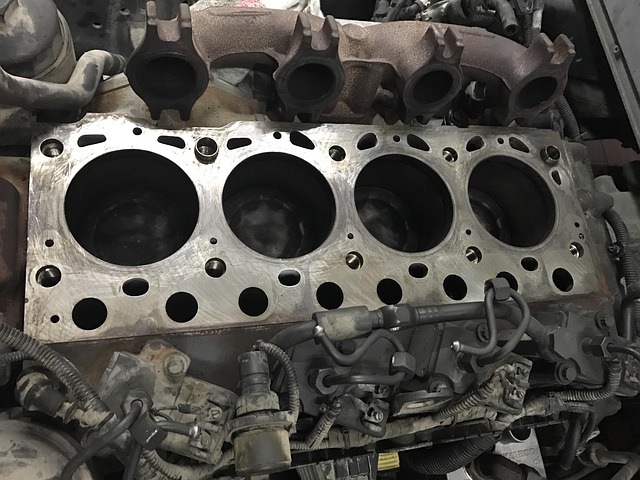
Other crucial details include the year, make, model, and body style of your vehicle. Cross-reference these with official specifications to guarantee accuracy. If modifying your car post-purchase, remember to update the registration to reflect these changes. For example, installing a new engine or replacing major components like a chassis may necessitate an updated VIN inspection, as it alters the vehicle’s identity, requiring proper documentation for registration.
Pay Registration Fees and Receive Your Vehicle Title

To complete the registration process in California, you’ll need to pay the required registration fees along with your application. The fee structure varies based on vehicle type, age, and other factors. For example, as of 2023, standard car registrations range from around $50 to $150, depending on emissions compliance. It’s crucial to understand these variations, as they can impact the overall cost of ownership. Upon payment, you’ll receive an official Vehicle Registration Certificate, which serves as proof of registration and insurance.
A key step in this process involves ensuring your vehicle’s Vehicle Identification Number (VIN) is accurately verified. This can be done through a VIN inspection conducted by a designated California Department of Motor Vehicles (DMV) agent or using a mobile VIN verifier. The latter option allows for convenient, on-site checks at various locations, including car dealerships and service centers. By employing a mobile VIN verification service, you can streamline the process and eliminate potential delays caused by long DMV lines. This technology ensures that your vehicle’s history is accurately checked against records, enhancing the legitimacy of your registration.
When conducting a VIN inspection or using a mobile verifier, it’s essential to have accurate and up-to-date information at hand. This includes the vehicle’s make, model, year, and any modifications made since its initial manufacture. Proper documentation, such as owner manuals or previous registration records, can facilitate a smoother process. Additionally, understanding California’s specific requirements for registration ensures compliance and avoids unnecessary complications. By following these steps diligently, you’ll be well on your way to securing your vehicle’s registration and enjoying the road ahead.
Registering a car in California involves several key steps, from gathering essential documents to completing application forms. The most critical step, emphasized throughout this article, is performing a Vehicle Identification Number (VIN) verification, ensuring the vehicle’s authenticity and history. By visiting your local DMV office or utilizing online services, you can efficiently navigate the registration process. Accurately filling out the registration application form and paying the required fees will culminate in receiving your vehicle title, marking the official completion of the registration. This authoritative guide provides a clear roadmap for successfully registering your car in California, ensuring peace of mind and smooth ownership from the outset.