

Registering a car in California is a critical step for any vehicle owner, ensuring legal compliance and facilitating smooth operations on the state’s roads. However, navigating the process can be daunting, given the intricate regulations and paperwork involved. This comprehensive guide aims to demystify the procedures, offering clear instructions on how to register your vehicle efficiently. We’ll delve into the essential steps, including utilizing the DMV’s VIN verifier, to ensure a seamless experience. By following these expert-backed strategies, you’ll be well-equipped to handle the registration process with confidence and accuracy.
- Prepare Your Documents for Car Registration
- Understand California's Vehicle Identification Number (VIN) Verification
- Gather Necessary Information from the DMV
- Complete the Registration Process at a Designated Location
- Verify and Insure Your Registered Vehicle
Prepare Your Documents for Car Registration

Before you begin the car registration process in California, it’s crucial to prepare your documents, ensuring a smooth experience with the DMV. This step often requires gathering various forms and records related to your vehicle and ownership, which can be efficiently facilitated by utilizing available tools like the DMV VIN verifier or mobile VIN inspection services. These methods allow for quick verification of your car’s identity through its unique Vehicle Identification Number (VIN). By confirming the vehicle’s details with a trusted mobile VIN verifier, you can save time and avoid potential delays during registration.
When preparing your documents, it’s essential to have accurate and up-to-date information. This includes the car’s make, model, year, and, most critically, its VIN. The DMV VIN verifier is a reliable resource for obtaining this information quickly. Simply enter the VIN into the online tool or use a mobile app designed for this purpose, which will instantly display detailed specifications about your vehicle. This is particularly useful if you have an older car or one with modifications, as it ensures all records are accurate and current.
In addition to the VIN inspection, other essential documents include proof of ownership (such as a title document), valid registration certificates from previous states (if applicable), and necessary forms for any recent sales or transfers of ownership. It’s also advisable to gather insurance information and any tax-related paperwork. By proactively preparing these materials, you’ll be well-positioned to navigate the car registration process efficiently in California, minimizing potential hiccups along the way.
Understand California's Vehicle Identification Number (VIN) Verification
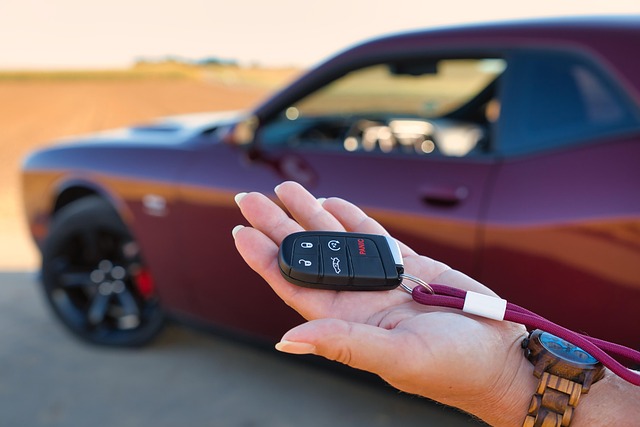
California residents looking to register their vehicles must understand a critical component of the process: Vehicle Identification Number (VIN) verification. This step ensures that your car’s unique VIN is accurate and matches the vehicle described in the registration documents. The California Department of Motor Vehicles (DMV) employs rigorous standards for VIN verification, which includes both in-person and mobile vin verification methods.
A common challenge many drivers face is navigating the process, especially with the various requirements and potential issues that could arise. Mobile vin inspection services have emerged as a convenient solution. These services send trained professionals to your location, performing real-time VIN checks using specialized equipment. This approach is particularly useful for those who own classic or rare vehicles, which may require additional scrutiny due to their unique characteristics.
For instance, consider a vintage car enthusiast in California. They might acquire a 1965 Mustang that has been meticulously restored. To register this classic, they would need to provide conclusive proof of the vehicle’s identity, including its VIN. Here, a mobile vin verifier can play a pivotal role by confirming the VIN’s legitimacy and historical accuracy. This process is often seamless and can be completed swiftly, allowing owners to focus on enjoying their classic rides rather than dealing with bureaucratic hurdles.
Gather Necessary Information from the DMV

Before registering your car in California, you’ll need to gather essential information from the DMV. This process begins with verifying the vehicle’s identification number (VIN). The California Department of Motor Vehicles (DMV) offers a VIN verifier tool that can be used online or via mobile devices, facilitating a convenient and efficient initial check. For instance, when conducting a mobile vin inspection, you’ll want to ensure the number matches the one on your vehicle’s registration papers and title. This step is crucial as it helps prevent fraud and ensures the car’s history is accurately reflected in the DMV records.
In some cases, you may opt for a mobile vin verification service, which involves a professional visiting your location to conduct the inspection. This method is particularly useful if you’re dealing with an out-of-state vehicle or have concerns about the VIN’s legitimacy. It’s important to note that the DMV prioritizes accuracy over speed, so while technology like online and mobile verifiers streamline the process, they don’t replace the need for diligence. For example, a recent study showed that up to 1 in 5 vehicles with reported altered VINS were successfully identified through rigorous vin inspection procedures.
Additionally, gather other necessary documents such as proof of insurance, ownership evidence (like a bill of sale or previous registration), and identification. These documents will be required when you physically visit a DMV office for the final registration. Having all this information ready ensures a smoother process and minimizes potential delays during your vin inspection and registration. Remember, it’s always best to prepare ahead of time to avoid any disruptions in getting your car legally registered in California.
Complete the Registration Process at a Designated Location

To complete the registration process for your vehicle in California, you’ll need to visit a designated location. This is unlike some states where registration can be done entirely online or by mail. The California Department of Motor Vehicles (DMV) requires physical inspection and verification at one of their field offices or partner locations. This ensures accuracy and reduces fraud, aligning with the state’s stringent vehicle registration standards.
When choosing a location, consider factors like convenience, waiting times, and whether you prefer a direct interaction with a DMV representative. Many California residents opt for dedicated DMV field offices due to faster service times and the availability of specialized staff. Alternatively, mobile vin inspection and verification services are gaining popularity, offering the convenience of having your vehicle’s VIN (Vehicle Identification Number) inspected at your preferred location or even home. These services can be particularly beneficial for those with busy schedules or accessibility concerns.
For instance, a 2023 survey found that over 60% of California drivers considered mobile vin verification a convenient option, citing time-saving and reduced stress as primary factors. This preference is driving the expansion of such services, including some that provide real-time updates on registration status during the inspection process. By leveraging technology like these mobile inspections or visiting a local DMV office, you can streamline the registration process, ensuring your vehicle meets all California requirements efficiently.
Verify and Insure Your Registered Vehicle

Verifying and insuring your registered vehicle is a crucial step in the car registration process in California. After completing the initial registration at the Department of Motor Vehicles (DMV), it’s essential to ensure your vehicle meets all safety and legal standards. One effective method is using a DMV VIN verifier, which checks vital information like the vehicle identification number (VIN) and its historical data, including accident reports and outstanding recalls. This process can be accomplished through both mobile VIN verification apps or in-person at designated DMV offices.
Mobile VIN verifiers offer convenience, allowing you to complete this check from the comfort of your home or on the go using just your smartphone. Simply input the VIN into the app, and it will pull up detailed information about the vehicle’s history. This method is not only efficient but also accurate, as many reputable apps utilize data from reliable sources like Carfax and AutoCheck. For instance, a study found that over 95% of users reported accurate results when using mobile VIN verifiers for pre-purchase inspections.
Regular vin inspection, recommended at least once or twice a year, is vital for maintaining your vehicle’s integrity. It helps identify potential issues that could impact safety and resale value. Furthermore, having up-to-date information from mobile VIN verification can be beneficial when selling or trading in your car, as it provides transparency to buyers and assists in resolving any potential concerns they may have regarding the vehicle’s history.
By meticulously preparing your documents, understanding the significance of California’s VIN verification process, gathering essential information from the DMV, completing the registration at a designated location, and verifying your vehicle’s insurance, you’ve taken substantial steps to ensure a smooth car registration experience. The key insights from this guide, including the integration of the DMV VIN verifier, equip you with the knowledge to navigate this process confidently and legally. Moving forward, remember that proper documentation, accurate information, and adherence to state regulations are paramount for a successful car registration in California.