

Registering a car in California is a critical process ensuring legal operation on the state’s roads. However, navigating the procedures and requirements can be daunting for new vehicle owners. This comprehensive guide aims to demystify the process, empowering Californians to smoothly navigate the registration journey. We’ll delve into every step, from gathering essential documents to utilizing tools like the DMV VIN verifier, ensuring a seamless experience. By the end, you’ll possess the knowledge to register your vehicle with confidence and efficiency.
- Gather Necessary Documents for Car Registration
- Prepare Your Vehicle for Inspection: DMV Requirements
- Complete the California Car Registration Application Form
- Verify Your Vehicle's VIN with the DMV: A Step-by-Step Guide
- Submit and Pay for Your Car Registration Online or In-Person
Gather Necessary Documents for Car Registration

Registering a car in California involves several steps, and one of the most crucial is gathering all the necessary documents for car registration. This process can be streamlined by utilizing modern tools like the DMV’s online services or even mobile vin inspection apps. For instance, many mobile vin verification services allow you to check your vehicle’s history and identify potential issues before committing to the registration process. These verifiers, such as those offered by official channels, cross-reference your Vehicle Identification Number (VIN) against a vast database to provide details on previous owners, maintenance records, and accident histories.
Key documents to prepare include proof of ownership, typically from a bill of sale or previous registration; a valid driver’s license or identification card; and the vehicle’s VIN. It’s also essential to have any applicable emissions test results, especially if your car is older than a certain age (as per California regulations). Additionally, if you’ve recently purchased a used vehicle, a mobile vin verifier can help ensure there are no hidden issues by checking for odometer rollback or undisclosed damage. This step not only protects your investment but also helps prevent fraud within the registration process.
Once all necessary documents are gathered, you can proceed to visit a California DMV office or use their online services to complete the registration. Having accurate and up-to-date information readily available will significantly expedite this process. Remember, proper documentation is key to ensuring a smooth car registration experience in California.
Prepare Your Vehicle for Inspection: DMV Requirements

Before you can register your car in California, your vehicle must pass an inspection to ensure it meets safety and environmental standards. The Department of Motor Vehicles (DMV) requires a comprehensive review, focusing on critical components like brakes, lights, tires, and emissions. This process involves a thorough examination by trained professionals who utilize specialized tools, including a mobile VIN verifier, to cross-reference your vehicle’s unique identifier (VIN).
During the inspection, mechanics will check for any defects or non-compliance with California’s regulations. Issues commonly found during these checks include malfunctioning brake lights, worn tire treads, and outdated emissions control systems. It’s essential to address these problems proactively, as failure to pass the inspection can delay registration or even result in safety hazards. Many businesses offer mobile VIN verification services, allowing you to conveniently check your vehicle’s status and make necessary repairs before heading to the DMV.
To streamline the process, familiarize yourself with California’s specific requirements beforehand. The state offers a comprehensive guide on its official website, detailing what inspectors will look for during the VIN inspection. Regular maintenance and prompt attention to any warning lights or unusual noises can significantly increase your chances of passing this crucial step. Remember, ensuring your car meets DMV standards is not just about registration; it’s also about maintaining a safe vehicle that adheres to California’s legal requirements.
Complete the California Car Registration Application Form

To register a car in California, you’ll need to complete the California Car Registration Application Form, a crucial step in ensuring your vehicle complies with state regulations. This form requires detailed information about both the car and its owner. Start by gathering essential documents like your driver’s license, proof of insurance, and the vehicle’s title. The Title must be signed by the seller if you’re purchasing the car from someone else. Additionally, you’ll need to provide proof of a valid California Vehicle Identification Number (VIN) inspection. This can be done through a traditional inspection at a designated DMV office or, more conveniently, with a mobile VIN inspection service that utilizes advanced technology like a DMV VIN verifier.
The California Car Registration Application Form includes sections for identifying your vehicle, such as its make, model, year, and color, along with details about the owner, including name, address, and driver’s license number. Ensure all information is accurate to avoid future issues. If you’ve recently purchased a car, save yourself time by using a mobile VIN inspection service, which can verify your vehicle’s history—including any previous accidents or outstanding issues—before you even begin the registration process. This step ensures that when you submit your application, it’s complete and correct.
Some key points to remember: double-check all entries for errors, as even minor mistakes can delay processing; include a valid email address and phone number so DMV staff can reach you if further information is required; and keep copies of all documents submitted in case of any follow-up requests. By being thorough and prepared, you streamline the registration process, making it faster and less stressful for everyone involved.
Verify Your Vehicle's VIN with the DMV: A Step-by-Step Guide

To register your car in California, verifying your Vehicle Identification Number (VIN) with the Department of Motor Vehicles (DMV) is a crucial step in the process. This ensures that your vehicle meets all safety and emissions standards before it can be legally operated on California’s roads. Here’s a detailed guide on how to use a DMV VIN verifier, including practical tips for a seamless experience.
Begin by locating your vehicle’s VIN, typically found on the driver’s side of the dashboard near the window or on the vehicle’s title documents. Input this 17-character code into the DMV’s online vin inspection tool or a mobile VIN verifier app. Many states now offer mobile VIN inspection services that allow you to verify a vehicle’s history quickly and from the convenience of your smartphone. For instance, the California DMV provides a convenient online service where you can enter your VIN to access detailed information about the vehicle’s registration, ownership, and any reported accidents or damage.
Once submitted, the system will process the request, cross-referencing the VIN against its extensive database. This inspection checks for critical issues like outstanding recalls, reported thefts, or if the vehicle has been declared a total loss. If discrepancies are found, the DMV will notify you, and you’ll need to resolve these issues before proceeding with registration. Otherwise, your mobile VIN verifier app should provide a clean bill of health, confirming that your car is safe for road use and ready to be registered with the California DMV.
Using a mobile VIN inspection tool can save significant time compared to traditional methods. It streamlines the initial verification process, making it easier for both new and used car buyers and sellers to navigate California’s vehicle registration requirements. Always ensure you’re using official and reputable apps or services for accurate and reliable results.
Submit and Pay for Your Car Registration Online or In-Person
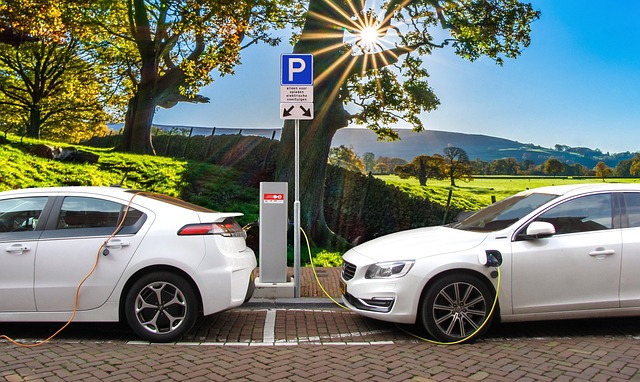
Registering a car in California involves several steps, but submitting and paying for your car registration can be done online or in-person through the California Department of Motor Vehicles (DMV). Online registration offers convenience, allowing you to complete the process from the comfort of your home. Alternatively, visiting a local DMV office provides the option of immediate verification and ensures all documents are in order.
For both methods, you’ll need key information such as your vehicle’s Vehicle Identification Number (VIN), which can be easily verified using a mobile VIN inspection or a DMV VIN verifier. This step is crucial for ensuring accuracy during registration. Online, you’ll access the official DMV portal to initiate the registration process and upload required documents. In-person, bring all necessary papers, including proof of insurance, to your local DMV office.
When choosing between online and in-person submission, consider factors like convenience, time availability, and document organization. Online registration can be efficient for those with digital copies of documents readily available. Conversely, visiting the DMV is ideal when facing issues with uploading files or requiring immediate assistance. Remember, whether you opt for a mobile VIN inspection before beginning or during your visit, ensuring your vehicle’s details are correct from the start streamlines the registration process.
By meticulously following the steps outlined in this article, registering your car in California becomes a straightforward process. Key insights include gathering essential documents, ensuring vehicle compliance with DMV standards, accurately completing application forms, verifying your Vehicle Identification Number (VIN) using the DMV’s tools, and conveniently submitting applications online or in-person. The most crucial aspect is meticulous verification of your VIN through the DMV vin verifier, a step that guarantees accuracy and streamlines registration. Armed with this knowledge, you’re now prepared to navigate California’s car registration process confidently and efficiently.