

Registering a car in California is not merely a bureaucratic task; it’s a crucial step for any new vehicle owner to ensure legal compliance and access to public roads. However, navigating the process can be bewildering, especially with evolving regulations and complex procedures. This article serves as your authoritative guide, arming you with the knowledge to smoothly register your car in California, including utilizing the DMV’s VIN verifier to validate critical information effortlessly and accurately. By the end, you’ll be equipped to confidently steer through this essential process.
- Prepare Required Documents for Car Registration
- Visit the California DMV: Step-by-Step Guide
- Verify Vehicle Identity with DMV VIN Verifier
- Complete the Registration Application Process
- Finalize and Obtain Your Car's Registration Papers
Prepare Required Documents for Car Registration

To register your car in California, you’ll need to gather specific documents, a process streamlined by utilizing modern tools like the DMV’s VIN verifier or mobile VIN inspection services. These methods ensure accuracy and convenience, especially for out-of-state transfers or when dealing with older vehicles. The primary document required is proof of ownership, which can be a title, bill of sale, or manufacturer’s certificate of origin (MCO). For instance, if you’re importing a classic car, an MCO from the manufacturer will be necessary.
Another crucial aspect involves verifying the vehicle identification number (VIN). This unique 17-character code is essential for identifying your car and accessing its history. The California DMV offers a VIN verifier, both online and through their mobile app, which allows you to confirm the vehicle’s status, including any recalls or previous accidents. For example, using a mobile VIN inspection service can help identify potential issues early on, ensuring a smoother registration process.
Additionally, prepare your valid driver’s license or state-issued ID card. If you’re renewing registration, you might also need proof of insurance and current vehicle emissions test results. It’s advisable to check the DMV’s website for the exact list of requirements based on your specific situation. By collecting these documents and leveraging modern verification tools like a mobile VIN verifier, you can efficiently navigate the car registration process in California.
Visit the California DMV: Step-by-Step Guide

Visiting the California DMV to register your car involves a series of precise steps designed to ensure vehicle safety and compliance with state laws. First, gather all necessary documents including your vehicle’s registration from its previous owner, proof of insurance, and a valid driver’s license. You’ll also need the Vehicle Identification Number (VIN) from your car, which can be found on the vehicle’s certificate of title or engine block. A DMV VIN verifier, whether mobile or in-person, is crucial for verifying this number to check the vehicle’s history and ensure it’s not a stolen or altered model.
When you arrive at the DMV, locate the specific counter for vehicle registration. An agent will guide you through the process, which includes filling out forms with your personal information, providing details about your car, and submitting the necessary documents. They may also perform an inspection to confirm the vehicle’s condition and ensure it meets safety standards. If any discrepancies are found, a mobile VIN verifier can be used to quickly access detailed vehicle history reports, allowing for immediate resolution.
For a smoother experience, consider making an appointment beforehand, especially during peak seasons when DMV offices tend to be bustling. Alternatively, many counties in California offer online registration services and some even have mobile vin inspection tools that let you verify your car’s VIN and complete the registration process from home. These modern options reflect the state’s commitment to enhancing service accessibility and efficiency.
Verify Vehicle Identity with DMV VIN Verifier

Verifying your vehicle’s identity is a crucial step in the car registration process in California, ensuring that you’re legally registering the correct vehicle. One efficient method to achieve this is through the use of a DMV VIN verifier. This tool allows you to cross-reference the Vehicle Identification Number (VIN) with the California Department of Motor Vehicles’ (DMV) records to confirm the vehicle’s make, model, and year. It’s a straightforward process that can be done online or, more conveniently for many, through a mobile vin verifier app.
A mobile vin verifier offers the advantage of accessibility and speed. With just a few clicks, you can input your VIN and instantly receive detailed information about your vehicle, including its history and any reported accidents or damages. This digital approach streamlines the verification process, eliminating the need for an in-person visit to the DMV and saving you valuable time. Moreover, it provides a level of convenience, especially when compared to traditional vin inspection methods, which often require scheduling appointments and physically examining documents.
When using a mobile vin verification service, ensure that it’s a reputable app or platform, as not all services are created equal. Look for features like real-time updates, secure data handling, and comprehensive vehicle information. With the right tool, you can rest assured that your vehicle identification is accurate and that the registration process will proceed smoothly. Remember, an error in this step could lead to delays or even legal complications down the line. Therefore, taking a few moments to verify through a reliable mobile vin verifier is an essential part of responsible car ownership.
Complete the Registration Application Process

Completing the registration application process is a crucial step when registering a car in California. This involves submitting the necessary documents and ensuring your vehicle meets all legal requirements. One essential tool that aids in this process is a DMV VIN verifier, which allows you to verify your vehicle’s identity and history. This can be done through a mobile VIN verifier or mobile VIN inspection, making the process more convenient for California residents.
To begin, gather all required documents, including your vehicle’s registration, title, and proof of insurance. Additionally, you’ll need to provide a valid driver’s license or state ID. For vehicles over 15 years old, a safety and emissions inspection may be required, which can be facilitated by a mobile VIN inspection service. These services use advanced technology to check your vehicle’s history, ensuring it meets California’s safety and environmental standards.
Next, visit the California DMV website to access the online registration application. Fill out the form accurately, providing details about your vehicle, such as the make, model, and year. Ensure that the Vehicle Identification Number (VIN) is correctly entered, as this is crucial for DMV VIN verification. Double-check all information for errors, as inaccurate data can delay the registration process. Once submitted, you may be required to pay the registration fee, which varies based on your vehicle’s type and age.
After submitting your application, track the status of your registration through the DMV’s online portal. You may receive updates via email or text, depending on the method you provided. If any issues arise, such as a failed mobile VIN verification due to a previous accident, be prepared to address them promptly. Contacting the DMV directly or utilizing their customer support services can help clarify any problems and guide you through the necessary corrections.
Finalize and Obtain Your Car's Registration Papers
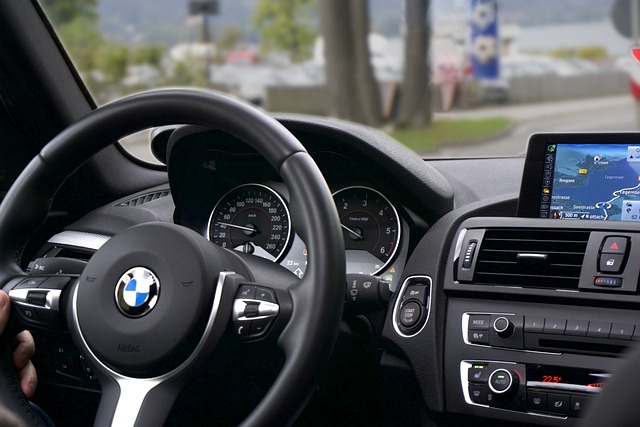
After completing the initial registration process at the California Department of Motor Vehicles (DMV), the next crucial step is to finalize and obtain your car’s registration papers. This involves ensuring that all required documents are in order and accurately reflecting the vehicle’s information, including its unique Vehicle Identification Number (VIN). It’s essential to approach this phase meticulously to avoid delays or issues down the line.
One of the modern conveniences available to California residents is the option for a mobile VIN inspection or mobile vin verifier. This service allows you to have a professional perform an on-site VIN verification, ensuring that your car’s details match the official records. A simple online search can connect you with certified inspectors who will visit your location and use specialized equipment to cross-reference the VIN with the DMV database. This method is particularly beneficial for those with busy schedules or accessibility challenges, offering a swift and efficient alternative to traditional in-person visits.
When receiving your registration papers, double-check the VIN listed against your vehicle’s actual VIN. Any discrepancies must be rectified immediately. The California DMV provides clear guidelines on how to correct errors, which may involve submitting an application for a title correction. It’s advisable to stay proactive and address any issues early to prevent future complications. For instance, if a mobile vin inspection reveals a mismatch, you can promptly take corrective action, ensuring your registration process remains smooth and uninterrupted.
By meticulously preparing required documents, following a structured visit to the California DMV, verifying vehicle identity with a DMV VIN Verifier, and completing the registration application process, you can effectively finalize your car’s registration. This comprehensive guide ensures compliance with California’s regulations while providing clear, practical steps. Leveraging the DMV VIN Verifier is a crucial step in confirming your vehicle’s authenticity, underscoring the article’s authority on navigating the car registration process efficiently and accurately. Armed with this knowledge, readers are empowered to securely and swiftly register their vehicles, reflecting the key insights gained from this authoritative guide.