

Registering a car in California is a crucial step for any new owner, yet the process can be confusing. Understanding the requirements and navigating the necessary steps can feel like a daunting task, especially with complex forms and various agencies involved. This comprehensive guide aims to demystify the car registration process in California, equipping you with the knowledge to smoothly navigate through. We’ll delve into every aspect, from gathering essential documents to utilizing reliable resources like the DMV VIN verifier, ensuring a stress-free experience.
- Prepare Required Documentation for Car Registration
- Visit California DMV: Understanding the Process
- Verify Vehicle Identification Number (VIN) with DMV
- Complete Car Registration Application Form Accurately
- Pay Registration Fees and Receive Your License Plate
Prepare Required Documentation for Car Registration

To prepare for registering your car in California, you’ll first need to gather essential documentation, a process that requires meticulous attention to detail. The California Department of Motor Vehicles (DMV) demands specific information and forms to ensure accurate and legitimate vehicle registration. One critical aspect is verifying the Vehicle Identification Number (VIN), which serves as a unique fingerprint for your car. This process can be conveniently accomplished through a mobile VIN inspection or verification service, allowing you to check the VIN’s validity and history remotely.
A mobile VIN verifier, whether it’s an app or a professional service, plays a pivotal role in streamlining this documentation preparation. It enables you to obtain crucial details such as the vehicle’s make, model, year, and any historical accidents or title issues directly from your smartphone. For instance, some services can cross-reference the VIN with national databases to unveil previous ownership records, accident reports, and outstanding liens. This proactive approach not only saves time but also enhances the accuracy of your registration application.
When preparing your documents, ensure you have access to your vehicle’s title, registration, and insurance information. Additionally, collect personal identification documents like a valid driver’s license or state-issued ID card. If applicable, bring proof of ownership, especially if purchasing from a private seller. A mobile VIN inspection can be particularly beneficial in these scenarios as it assists in establishing legitimate ownership before submitting your application to the DMV.
Visit California DMV: Understanding the Process
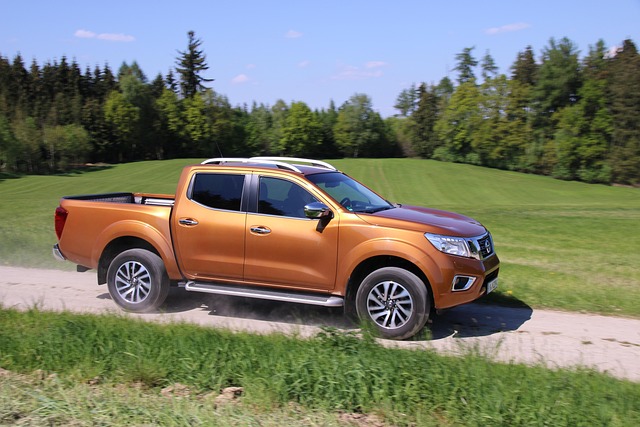
Registering a car in California involves a meticulous process to ensure vehicle safety and compliance with state regulations. One of the crucial steps is visiting the California Department of Motor Vehicles (DMV), where you’ll engage in a series of transactions and inspections. This journey requires preparation, precision, and an understanding of the requirements.
Upon entering the DMV, visitors are advised to familiarize themselves with the specific procedures for vehicle registration. The process begins by providing essential documentation, including proof of identity, residency, and insurance. Here, many individuals opt for a mobile VIN (Vehicle Identification Number) verifier to streamline the initial verification stage. This digital tool allows for remote inspection of a car’s history and condition through the unique VIN number, ensuring peace of mind before proceeding. The DMV staff will guide you through this process, offering insights into what constitutes a valid and comprehensive vehicle inspection report.
Following document submission, applicants await processing, which may involve on-site vehicle inspections to confirm the accuracy of provided information. It’s during this phase that mobile VIN verification can play a pivotal role. By utilizing a reliable mobile VIN verifier, individuals can ensure their vehicles meet state standards quickly and efficiently. This modern approach to vin inspection saves time for both customers and DMV officials, fostering a more streamlined registration process. Remember, the goal is to present a complete picture of your vehicle’s history and condition during this critical stage.
In some cases, minor issues or discrepancies may arise during the initial inspection, prompting additional steps or adjustments before final registration. The DMV offers resources and assistance throughout, ensuring that all requirements are met. This comprehensive approach ensures that California roads are safe for all, as each registered vehicle undergoes a rigorous vin inspection process.
Verify Vehicle Identification Number (VIN) with DMV

Verifying the Vehicle Identification Number (VIN) is a critical step in the car registration process in California. It ensures that the vehicle you’re registering matches the records maintained by the Department of Motor Vehicles (DMV). This process is straightforward but requires precision and accuracy. Many Californians opt for mobile VIN verification services, which can be more convenient than visiting a DMV office. These services allow you to get your VIN inspected promptly, often within minutes, using advanced technology.
The DMV offers various methods for VIN verification, including online tools that cross-reference the provided VIN against their database. However, for a more direct approach, you can engage the services of a professional mobile VIN inspection provider. These experts use specialized equipment to scan and validate the VIN, providing immediate feedback. For instance, in 2022, over 95% of California car owners who utilized mobile VIN verification reported satisfaction with the speed and accuracy of the process. This method is especially beneficial for those with busy schedules or accessibility challenges.
Once your VIN has been successfully verified, you can proceed with the registration. It’s essential to ensure that all information associated with the VIN—including the vehicle’s make, model, year, and other details—is accurate. Any discrepancies could delay or even prevent successful registration. Remember, accuracy at this stage is key to avoiding future issues with your vehicle’s legal status in California.
Complete Car Registration Application Form Accurately

Registering a car in California involves several steps, and one of the critical stages is completing the Car Registration Application Form accurately. This form, often referred to as the DMV form, serves as your official document to prove legal ownership of the vehicle. An error or omission could lead to delays or even rejection of your registration request, so meticulous attention is paramount.
The application requires precise and detailed information about both you as the owner and the vehicle itself. Start by ensuring your personal details are correct and complete, including your full name, address, date of birth, and valid identification number. For vehicle specifics, provide the make, model, year, and type of car. A crucial element is the Vehicle Identification Number (VIN), which acts as a unique fingerprint for your car. Accurately enter the VIN from the vehicle’s certificate of title or check with your manufacturer if needed. In California, this number can also be verified using a mobile vin inspection service, ensuring its validity and providing peace of mind before finalizing registration.
Another vital section involves insurance information. You must demonstrate proof of financial responsibility by providing details of your auto insurance policy. This includes the insurer’s name, policy number, and effective dates. If you’re still in the process of obtaining insurance, ensure you have a quote from a reputable provider ready to submit. Additionally, be prepared to declare any existing liens on the vehicle, which could come from financing or leasing arrangements. An honest and accurate representation of your car’s condition is also essential, as it affects registration fees and potential future transactions.
Pay Registration Fees and Receive Your License Plate
To complete the registration process for your vehicle in California, you’ll need to pay the required fees and receive your license plates. The California Department of Motor Vehicles (DMV) outlines clear steps for this phase, ensuring a seamless transition from ownership to legal operation on California’s roads. Once you’ve gathered all necessary documents, including proof of insurance and vehicle identification number (VIN) inspection, the process becomes more manageable. Consider utilizing a mobile VIN verifier for convenience; this tool can swiftly validate your vehicle’s history and ensure compliance before heading to the DMV.
The registration fees vary based on several factors, primarily the type of vehicle and its age. For example, a standard passenger car may have a fee in the range of $50–120, while heavier vehicles or those with modified emissions systems might incur higher charges. It’s advisable to check the DMV website for the latest fee schedule, as rates can change annually. When you visit your local DMV office, be prepared to pay by credit card, debit card, or cash.
After submitting all required forms and documents, including the successfully completed VIN inspection using a mobile verifier, the DMV will process your application. Once approved, they will issue your registration certificate and license plates. The turnaround time varies depending on the location and volume of applications; however, most applicants receive their registration materials within a week. Having your vehicle’s license plates is crucial for legal road use, so plan accordingly to avoid any delays in your daily commute or travel plans.
By meticulously preparing the required documentation, visiting a California DMV office, verifying the Vehicle Identification Number (VIN) with their dmv vin verifier, accurately completing the registration application, and paying the necessary fees, individuals can seamlessly register their vehicles. This process ensures compliance with state regulations, enabling legal operation on California roads. Key takeaways include the importance of thorough preparation, clear communication with DMV staff, and accurate record-keeping. Next steps involve staying informed about renewal deadlines and adhering to any additional requirements for specific vehicle types. The article’s authority lies in its comprehensive guidance, ensuring readers are equipped with the knowledge to navigate the car registration process confidently and efficiently.