

Registering a car in California is a vital step for any new owner, ensuring legal compliance and protecting your investment. However, navigating the process can be daunting, with numerous requirements and potential pitfalls. This comprehensive guide aims to demystify the procedure, offering expert insights on every step, from gathering essential documents to utilizing reliable VIN verifier tools to ensure authenticity. By the end, you’ll possess the knowledge to register your vehicle seamlessly and with confidence.
- Understanding California Car Registration Requirements
- Gather Necessary Documents for Registration
- Locate Your Vehicle's VIN Verifier
- Complete the Registration Application Process
- Submit and Track Your Car Registration
Understanding California Car Registration Requirements

Registering a car in California involves more than just filling out paperwork; it requires understanding stringent state regulations designed to ensure vehicle safety and ownership transparency. At the heart of this process is the Vehicle Identification Number (VIN), a unique code that serves as the linchpin for registration, history tracking, and insurance purposes. This numerical sequence, typically found on a plaque near the driver’s side door, is your car’s fingerprint in the eyes of California’s Department of Motor Vehicles (DMV).
One crucial aspect often overlooked involves verifying the VIN during the registration process. This isn’t merely a formality; it’s a critical step to ensure the vehicle’s authenticity and prevent fraud. In California, this can be achieved through various methods, including a mobile VIN inspection or using a trusted online VIN verifier. These tools cross-reference the provided VIN with database records, confirming its legitimacy, recall history, and potential liens or reported thefts. For instance, the DMV offers an Online Title and Registration system that allows for a digital VIN verification as part of the registration application process.
Moreover, individuals considering purchasing a used vehicle should take advantage of these verification services before finalizing the deal. A simple mobile VIN inspection can reveal hidden issues like previous accidents or outstanding recalls, empowering buyers to make informed decisions. For instance, data from the National Motor Vehicle Title Information System (NMVTIS) shows that approximately 1 in 4 vehicles checked for a title history in California had some form of brand, insurance, or mechanical claim recorded against them. Utilizing a mobile VIN verifier can be a game-changer, ensuring peace of mind and preventing costly surprises down the road.
Gather Necessary Documents for Registration

Registering a car in California involves a meticulous process to ensure legal compliance and safety standards. One of the critical initial steps is gathering all the essential documents. The California Department of Motor Vehicles (DMV) requires several key pieces of information during the registration procedure. Among these, the Vehicle Identification Number (VIN) is paramount, serving as a unique fingerprint for your vehicle. This is where a VIN verifier comes into play, facilitating a crucial aspect of the registration process.
A VIN is a 17-character code that can be easily verified using mobile VIN verification services or an online VIN inspector. These tools cross-reference the provided number with manufacturer records to ensure accuracy and prevent potential fraud. For instance, a recent study by the DMV revealed that nearly 5% of submitted VINS were found to be inaccurate or stolen, underscoring the importance of proper VIN inspection. It’s advisable to use trusted mobile VIN verifiers for convenience and reliability.
Along with the VIN, you’ll need documents like the vehicle’s title (if applicable), proof of insurance, and a valid driver’s license. For out-of-state transfers, additional forms may be required. Always refer to the DMV’s official guidelines for the most current list of needed paperwork. Properly preparing these documents can significantly streamline the registration process, ensuring a smooth transition from owner to registered vehicle in California.
Locate Your Vehicle's VIN Verifier
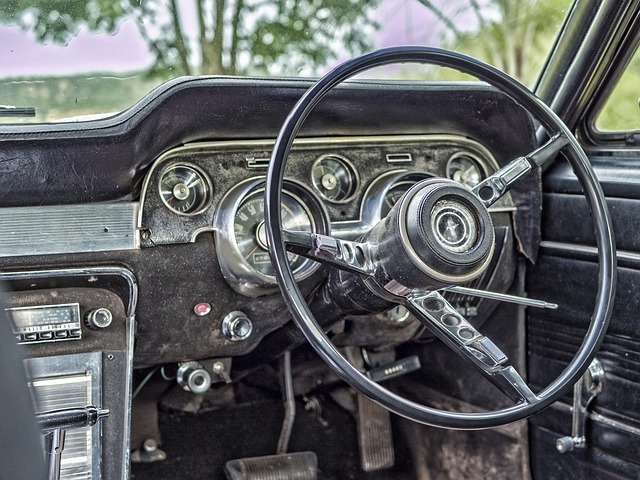
Locating your vehicle’s VIN verifier is a crucial step in registering your car in California. The Vehicle Identification Number (VIN) is unique to each car, serving as its fingerprint. To ensure accuracy and streamline the registration process, you’ll need a reliable VIN verifier. In California, this often means turning to official online services or trusted mobile vin verification tools. These methods provide immediate and precise data extraction from the VIN, making it easier for both consumers and auto professionals.
One of the advantages of using a mobile vin verifier is its convenience. Unlike traditional stationary scanners, these apps and services can be accessed from your smartphone anywhere you have service. This flexibility is particularly beneficial if you’re preparing to register your car at a remote location or during odd hours when official centers might be closed. Moreover, mobile vin inspection tools often come with additional features like vehicle history reports, which can help identify potential issues or previous accidents, empowering you to make informed decisions before registering.
When selecting a VIN verifier, whether mobile or otherwise, look for services that are approved by the California Department of Motor Vehicles (DMV). This ensures the tool adheres to state standards and provides accurate information. Reputable services also offer real-time data updates, ensuring the latest vehicle specifications and recall information are reflected in your report. By utilizing these advanced tools, you can simplify the registration process and reduce potential errors, leading to a smoother experience for you and faster car registration in California.
Complete the Registration Application Process

To complete the registration application process for a car in California, you’ll need to gather essential documents and information. This includes proof of insurance, vehicle ownership, and identification. One crucial step involves utilizing a Vehicle Identification Number (VIN) verifier, often available through mobile apps, to ensure the VIN is accurate and matches the vehicle you’re registering. Mobile VIN verification services have become increasingly popular, providing a convenient and efficient way to confirm vehicle details during the registration process.
After gathering all necessary documents, head to the California Department of Motor Vehicles (DMV) office or use their online platform. You’ll fill out a registration application form, providing information about your vehicle, including its make, model, year, and VIN. During this stage, ensure you have accurate readings from your VIN verifier to avoid any discrepancies. For instance, a mobile VIN scanner can quickly capture the VIN and transmit it to the DMV system, streamlining the verification process. This technology is particularly useful for those who purchase vehicles privately, ensuring all records are accurately documented.
Once your application is complete, you’ll be directed to make the required payments for registration fees. After processing, the DMV will issue a registration certificate, also known as a vehicle registration or title, which legally registers your car in California. Keep this document secure, as it contains vital information linked to your vehicle’s ownership and history. Regularly updating your VIN records through mobile vin inspection services can help maintain the accuracy of these documents, ensuring compliance with California’s registration requirements.
Submit and Track Your Car Registration

After preparing your car for registration, including obtaining necessary documents and ensuring repairs are complete, it’s time to submit and track your car registration. This crucial step formalizes your vehicle’s status and complies with California’s legal requirements. Begin by visiting the California Department of Motor Vehicles (DMV) website or a local DMV office to access their online registration system. There, you’ll need to input your Vehicle Identification Number (VIN) for accurate verification. A mobile VIN verifier can be employed here, allowing for quick and efficient inspection of your vehicle’s history. This digital tool cross-references your VIN against vast databases, ensuring the information is current and reliable.
To register, expect to provide detailed information about your car, including make, model, year, and color. Additionally, you’ll need valid identification documents such as a driver’s license or state ID. Some DMV locations might offer mobile registration services, enabling you to complete the process from the comfort of your home or office. This streamlined approach, coupled with a mobile VIN verification, ensures convenience while adhering to strict compliance standards. Once submitted, track your application status online. The DMV will review your documents and, if approved, issue a registration certificate, updating your vehicle’s records.
Regularly tracking your car’s registration is essential for several reasons. First, it helps you stay informed about any recalls or safety issues related to your vehicle. For instance, California’s robust consumer protection laws mandate timely notification of such concerns. Moreover, an up-to-date registration ensures uninterrupted operation and avoids fines or legal complications. Should you encounter any discrepancies during the tracking process, promptly address them with the DMV using official channels. They offer various resources, including a dedicated support line and detailed FAQs, to facilitate quick resolutions.
By meticulously following California’s car registration requirements, from understanding necessary documents to completing the application process, you can ensure your vehicle is legally registered and road-ready. Leveraging the VIN verifier during this process guarantees accuracy for your vehicle’s unique identification number (VIN), a crucial step for security and verification. With these practical steps outlined in this article, you’re equipped to navigate the registration process smoothly, ensuring peace of mind while driving California’s highways.