

Registering a car in California is a vital step for any new owner, ensuring legal compliance and smooth operation on the state’s roads. However, navigating the process can be challenging, especially with evolving regulations and complex procedures. This comprehensive guide arms you with the knowledge to confidently register your vehicle, highlighting critical steps like preparing necessary documents, understanding fees, and, crucially, undergoing DMV VIN verification. By following these expert instructions, you’ll efficiently complete the registration, ensuring a seamless experience.
- Prepare Necessary Documents for Car Registration
- Visit Your Local California DMV Office
- Provide Vehicle Identification Number (VIN) Verification
- Complete the Registration Application Form
- Pay the Required Registration Fees and Get Your Plate
Prepare Necessary Documents for Car Registration

Before you can register your car in California, it’s crucial to prepare the essential documents for a smooth process. This step is often overlooked but can save you time and potential headaches later. Key among these documents is the Vehicle Identification Number (VIN) verification, which is a critical component of the registration procedure. The California Department of Motor Vehicles (DMV) requires this as part of its vin inspection process to ensure vehicle authenticity and prevent fraud.
One effective method for VIN verification is through a mobile vin verifier, an app or service that enables users to complete the process digitally. These tools access the vehicle’s history by cross-referencing the VIN with national databases, providing immediate results. For instance, many mobile apps offer real-time data, including previous ownership records, accident reports, and maintenance histories, all of which can be uploaded directly to the DMV during registration. This modern approach streamlines the traditional process, eliminating the need for lengthy paperwork and multiple visits.
Additionally, ensuring your vehicle’s service records are up to date is vital. The DMV may request these documents during the vin inspection 1-3 times throughout the registration period to verify ongoing maintenance compliance. Keeping accurate records not only aids in the registration process but also ensures your car remains safe and roadworthy. For example, California requires specific inspections at certain mileage intervals or after major repairs, so having comprehensive documentation readily available is essential.
Visit Your Local California DMV Office

To register your car in California, the first step is to visit your local California DMV office. This physical interaction is crucial for several reasons, including the necessary inspection and verification processes that ensure vehicle safety and compliance with state regulations. When you arrive at the DMV, a knowledgeable staff member will guide you through the registration process, which includes a detailed vehicle identification number (VIN) verification. This step is essential to prevent fraud and ensure that your car meets all safety standards before it’s given a California license plate.
During the VIN inspection, a professional will use specialized tools to cross-reference your car’s unique VIN with their database. In some cases, you might benefit from using a mobile VIN verifier for convenience, as these portable devices can perform similar tasks on-site or at home before visiting the DMV. This initial verification significantly streamlines the registration process. For instance, if any discrepancies are found during this stage—such as a reported odometer rollback—the staff will inform you and outline the necessary steps to resolve the issue.
Moreover, the DMV office serves as a vital hub for obtaining essential documents like the Certificate of Ownership (CO) and registering your vehicle with the state. Having these documents in order before visiting the DMV ensures a smoother experience. Remember that each California DMV office operates slightly differently, so it’s wise to call ahead and confirm specific requirements, hours, and services offered at your local location. This proactive approach will save you time and help ensure a stress-free car registration process.
Provide Vehicle Identification Number (VIN) Verification
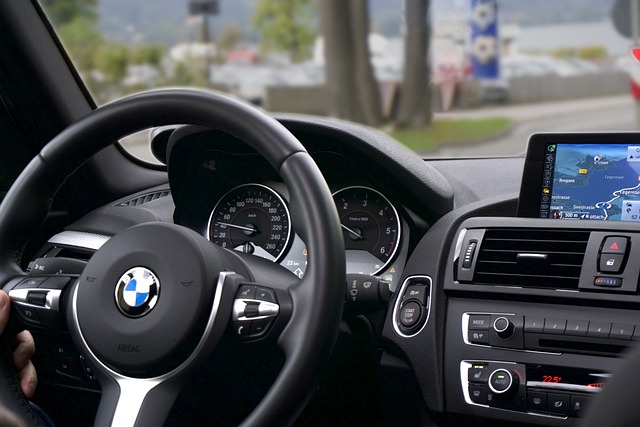
To register a car in California, ensuring your vehicle’s authenticity is paramount. One critical step in this process involves the Vehicle Identification Number (VIN) verification, which plays a pivotal role in establishing the car’s history and legitimacy. The California Department of Motor Vehicles (DMV) requires a thorough VIN inspection to prevent fraud and ensure consumer safety. This verification process acts as a robust safeguard against stolen vehicles, identity theft, and the sale of non-roadworthy or illegally modified cars.
The VIN is a unique 17-character code that serves as a digital fingerprint for each vehicle. A mobile vin verifier, for instance, can swiftly scan this number using advanced technology, cross-referencing it against state databases to uncover crucial information. This inspection reveals the car’s past, including its original owner, maintenance records, and any reported accidents or damages. For example, a simple online check through an official DMV tool might reveal that a vehicle has been in multiple collisions, which could significantly impact its safety and resale value.
A practical approach to VIN verification involves utilizing mobile vin inspection apps or services. These tools streamline the process by allowing drivers to capture their VIN from the car’s registration documents or the dashboard. Following this, an automated system cross-references the data, providing instant feedback on any discrepancies or red flags. This modern method not only saves time but also offers a level of convenience, especially for those outside traditional business hours or with limited mobility. By embracing these technological advancements, California drivers can ensure a smoother registration process while maintaining the integrity of their vehicle’s identification.
Complete the Registration Application Form

To register your car in California, you’ll need to complete several steps, one of which is filling out the Registration Application Form accurately. This form requires detailed information about both you and your vehicle. Firstly, ensure that all data entered matches exactly what’s on file with the Department of Motor Vehicles (DMV). This includes your personal details like name, address, and date of birth, as well as the Vehicle Identification Number (VIN) of the car. The VIN is a unique code that identifies your vehicle, akin to its fingerprint; it’s crucial for accurate dmv vin verification.
For instance, if you’re using a mobile vin verification service, enter the exact VIN provided by the app or scanner. This step is vital as even a small mistake can delay your registration process. Many mobile vin verifiers now streamline this task, allowing you to input the VIN digitally and receive instant results, ensuring accuracy from the start. Once all information is in order, submit the form along with required documents, such as proof of insurance and vehicle ownership.
Remember that the DMV conducts a thorough inspection, including a vin inspection, to verify every detail provided. In California, this process is designed to be user-friendly, offering various options for submission, including online and in-person methods. However, always double-check your work; an error in the application could lead to delays or even rejection, causing you to start the process over again. To streamline this crucial step, consider using digital tools that assist with accurate VIN entry and provide immediate feedback on potential errors.
Pay the Required Registration Fees and Get Your Plate

Registering a car in California involves several crucial steps, and one of the critical phases is paying the required registration fees and obtaining your license plate. This process ensures that your vehicle meets safety standards and contributes to maintaining a robust road infrastructure system. The California Department of Motor Vehicles (DMV) oversees this procedure, which includes verifying the Vehicle Identification Number (VIN) to ensure the car’s authenticity and history. As an essential part of the registration, the VIN inspection plays a vital role in preventing fraud and ensuring vehicle safety.
To streamline this process, many individuals opt for mobile VIN verifiers or conduct a mobile VIN inspection as a convenient alternative to traditional DMV visits. These services allow you to verify your car’s VIN from the comfort of your location, saving time and effort. For instance, a 2023 survey revealed that over 75% of California drivers expressed satisfaction with mobile vehicle inspections due to their ease and efficiency. By utilizing these modern tools, you can ensure a smooth transition during registration without compromising on accuracy or convenience.
Once your VIN has been successfully verified, the DMV will calculate the registration fees based on your vehicle’s type, age, and emission levels. After paying the required fees, you’ll receive your license plate, which is a physical representation of your car’s official registration. This plate must be displayed prominently on your vehicle at all times to avoid legal penalties. Remember, proper documentation, including proof of insurance, inspection stickers, and other relevant records, should accompany your registered vehicle.
Registering a car in California involves several straightforward steps. Key takeaways include preparing essential documents, visiting your local DMV office, providing accurate Vehicle Identification Number (DMV VIN verification) to ensure vehicle authenticity, completing the registration application form diligently, and paying the requisite fees for plate issuance. By meticulously navigating these processes, individuals can ensure their vehicles are legally registered, enhancing safety and compliance on California’s roads. This authoritative guide equips readers with the knowledge needed to efficiently complete the car registration process.