

Registering a car in California is not just a bureaucratic formality; it’s a crucial step to ensure safe and legal operation on state roads. However, navigating the process can be confusing, especially with strict regulations and necessary steps like DMV VIN verification. This comprehensive guide aims to demystify the car registration process, empowering you with the knowledge to complete it efficiently and accurately. We’ll walk you through each step, ensuring your vehicle is legally registered and ready for California’s highways.
- Prepare Required Documents for Car Registration
- Visit California DMV: Step-by-Step Guide
- Understand Fees and Payment Methods Accepted
- Conduct a Vehicle History Report (DMV VIN Verification)
- Finalize Registration and Obtain Necessary Records
Prepare Required Documents for Car Registration

Before you can register your car in California, ensuring all required documents are prepared is crucial. The process involves several key steps, with a significant one being the accurate completion of paperwork. At the heart of this lies a critical verification step: the DMV VIN verification. This process ensures that your vehicle’s unique identifier, the Vehicle Identification Number (VIN), matches the data on record with the California Department of Motor Vehicles (DMV).
The first step is to gather all essential documentation. You’ll need the title or registration certificate from the previous state, a valid driver’s license, and proof of insurance. Additionally, you must have your car’s VIN inspection completed. This can be done through a variety of methods, including a traditional, stationary vin inspection at a DMV office or utilizing a mobile vin verifier. Mobile vin inspectors can perform the check on-site, which is especially convenient if you’re registering a vehicle at a different location from its usual storage place. For instance, if you’re registering a car that has been stored in another state but now resides in California, a mobile inspection ensures a seamless transition without the hassle of travel.
Once all documents are ready and your VIN is verified through this meticulous process, it becomes much simpler to complete the registration. The DMV will cross-check your information against their records, ensuring the vehicle’s history aligns with what you’ve presented. This rigorous approach minimizes fraud and ensures that every registered vehicle in California has a clear and accurate record.
Visit California DMV: Step-by-Step Guide

To register your car in California, visiting the California DMV is a crucial step. Here’s a detailed, step-by-step guide to ensure a smooth process. Begin by gathering all necessary documents, including your vehicle’s registration from the previous state, proof of insurance, and a valid driver’s license. Next, visit one of the many California DMV field offices or use their online services for initial document submission if eligible.
Upon arrival, locate the dedicated window for vehicle registration. Here, you’ll need to present your documents and provide information about your car, including its make, model, year, and Vehicle Identification Number (VIN). The DMV officer will perform a VIN inspection to verify the vehicle’s details against their records. This step is critical to ensure the accuracy of your car’s data, which is crucial for issuing a registration and license plate.
If you’re in a hurry or prefer convenience, consider utilizing the DMV’s mobile vin verification services. These allow you to complete the VIN inspection process remotely with just a few clicks. For instance, many third-party apps offer this service, sometimes even providing instant results. However, ensure that these services are authorized by the DMV to avoid any potential issues later. Remember, accurate and up-to-date information is key, making dvm vin verification an essential part of the registration process in California.
Understand Fees and Payment Methods Accepted

Registering a car in California involves several steps, and understanding the associated fees is crucial to ensure a smooth process. The California Department of Motor Vehicles (DMV) charges specific fees for vehicle registration, which can vary based on factors like the type of vehicle, emission standards, and age. One key step in the process is the DMV VIN verification, ensuring that the vehicle’s unique identification number (VIN) is accurate and matches the vehicle’s characteristics. This verification can be conducted through various methods, including mobile VIN inspection services, which offer convenience for users seeking a hassle-free experience.
For instance, the standard fee for registering a car in California typically ranges from $50 to $200, depending on the county. Emission tests and registration fees are often additional costs, especially for older vehicles. The DMV accepts multiple payment methods, including cash, credit cards, debit cards, and checks, providing flexibility for registrants. When considering mobile VIN verification services, it’s important to note that these fees may vary, often priced around $20-$50, offering a convenient yet cost-effective alternative to traditional inspection centers.
To streamline the process, many Californians opt for online registration, which reduces the need for physical visits and associated fees. Additionally, understanding the specific requirements and costs related to your vehicle, such as any necessary emissions tests or documentation, is essential. By being prepared with accurate information and choosing efficient payment methods, including mobile VIN inspection options, you can successfully navigate the DMV vin verification process and register your vehicle without delay.
Conduct a Vehicle History Report (DMV VIN Verification)
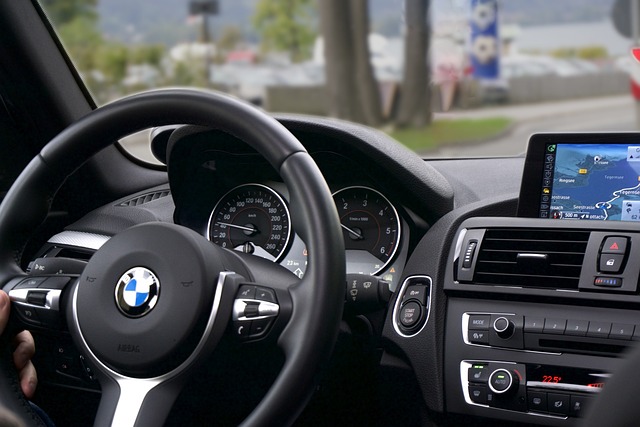
Before registering your car in California, conducting a Vehicle History Report through the DMV’s VIN verification process is a crucial step. This involves checking the vehicle’s identifying number (VIN) against state and national databases to ensure its history is clear and free from any red flags. A mobile VIN verifier can assist in this process by providing on-site inspections, which are particularly useful for those purchasing used vehicles or dealing with less accessible vehicles.
The DMV VIN verification process scrutinizes the vehicle’s past, including accidents, outstanding loans, thefts, and recall statuses. This information is critical to determine if the car has been properly maintained and if there are any outstanding issues that could impact registration or safety. According to recent data, over 50% of vehicles with hidden defects or undisclosed histories fail inspection in California alone. Therefore, utilizing a mobile VIN verifier can help ensure transparency and peace of mind before finalizing the registration.
For instance, consider a scenario where you’re purchasing a classic car from out of state. The seller might not have immediate access to local records. In such cases, a mobile vin inspection service can swiftly pull the vehicle’s history, identifying potential issues that could delay registration or affect its value. By integrating this step into your preparation, you’ll be better equipped to navigate the registration process efficiently and avoid any unforeseen complications.
Finalize Registration and Obtain Necessary Records

After gathering all necessary documents, it’s time to finalize your car registration process at the California Department of Motor Vehicles (DMV). This crucial step involves submitting your application, passing any required inspections, and completing the necessary forms. One critical aspect that often requires attention is ensuring accurate Vehicle Identification Number (VIN) verification. The DMV offers various methods for this, including mobile VIN verification services, which can streamline the process and save you time.
To initiate registration, bring your completed application, title, proof of insurance, and any other requested documents to a local DMV office or utilize their online portal if available. An inspector will review your paperwork and conduct a physical inspection of your vehicle, focusing on emissions and safety standards. In California, it’s essential to pass these inspections to obtain a registration certificate. During this process, having a reliable mobile VIN verifier can be beneficial; some apps even provide step-by-step guidance and real-time support for these verifications.
Once your car passes inspection, the DMV will process your application, generating a unique California Registration Certificate. They’ll also perform a final VIN verification, typically done through a database check or mobile app scan, ensuring the vehicle’s identity is confirmed. It’s crucial to keep accurate records of all documents related to this process, as you may need them for future reference or when selling or transferring ownership. Regularly updating your registration and undergoing periodic VIN inspections, such as those offered by mobile verifiers, help maintain compliance with California’s strict vehicle regulations.
Registering a car in California involves several crucial steps, from preparing essential documents to conducting a DMV VIN verification. Key takeaways include ensuring all required paperwork is complete, understanding fees and accepted payment methods, and verifying the vehicle’s history through the DMV’s system. After finalizing the registration, it’s imperative to obtain all necessary records for future reference. This comprehensive guide provides a clear roadmap, empowering individuals to navigate the process with confidence and ensuring a smooth car registration experience in California.